The storm passes, and the tree looks wrong. A strip of bark hangs down one side of the trunk, or the whole tree starts wilting two weeks later for no visible reason. In Waxhaw's summer thunderstorm season, lightning strikes on tall trees are common enough that every homeowner with a mature oak should know the pattern: the damage is partly immediate and partly delayed, and the decision to monitor or remove plays out over months, not days.
This how-to covers what to do in the first days, what signs to track across the following seasons, and where the line sits between what you can observe yourself and what needs a professional in the tree. Lightning damage is deceptive in both directions; trees written off sometimes recover, and trees that look untouched sometimes die from the inside out.
What lightning actually does to a tree
A strike follows the moisture in the tree, often flashing the sapwood under the bark to steam. That steam can blow a strip of bark off the trunk in a long vertical line, split the trunk, or, when the charge runs to the roots, kill part of the root system with no dramatic mark above ground at all. Some strikes leave a spiral groove; others leave almost nothing on a tree that then declines steadily. The variability is the point: absence of a bark strip does not clear a suddenly declining tree near a known strike, and a bark strip does not by itself doom the tree.
- Stay clear until the storm is fully past. A struck tree can drop limbs without warning, and the ground around it is no place to stand during lingering thunder.
- Photograph and note the damage. Bark strips, splits, hanging limbs, and any scorch or soil disturbance at the base, with dates, for later comparison.
- Remove immediate hazards. Hanging or split limbs over roofs, drives, and walkways come off promptly; this is professional work at height.
- Water during dry spells. A stressed tree with root damage needs steady moisture through the first season; deep watering in drought is the main support you can give.
- Watch the canopy across two seasons. Track leaf size, thinning, and dieback patterns monthly. Delayed decline usually declares itself by the second spring.
- Skip the fertilizer and wound paint. Neither is recommended for strike damage; fertilizing a stressed tree can push growth it cannot support. Clean, proper cuts on broken limbs are enough.
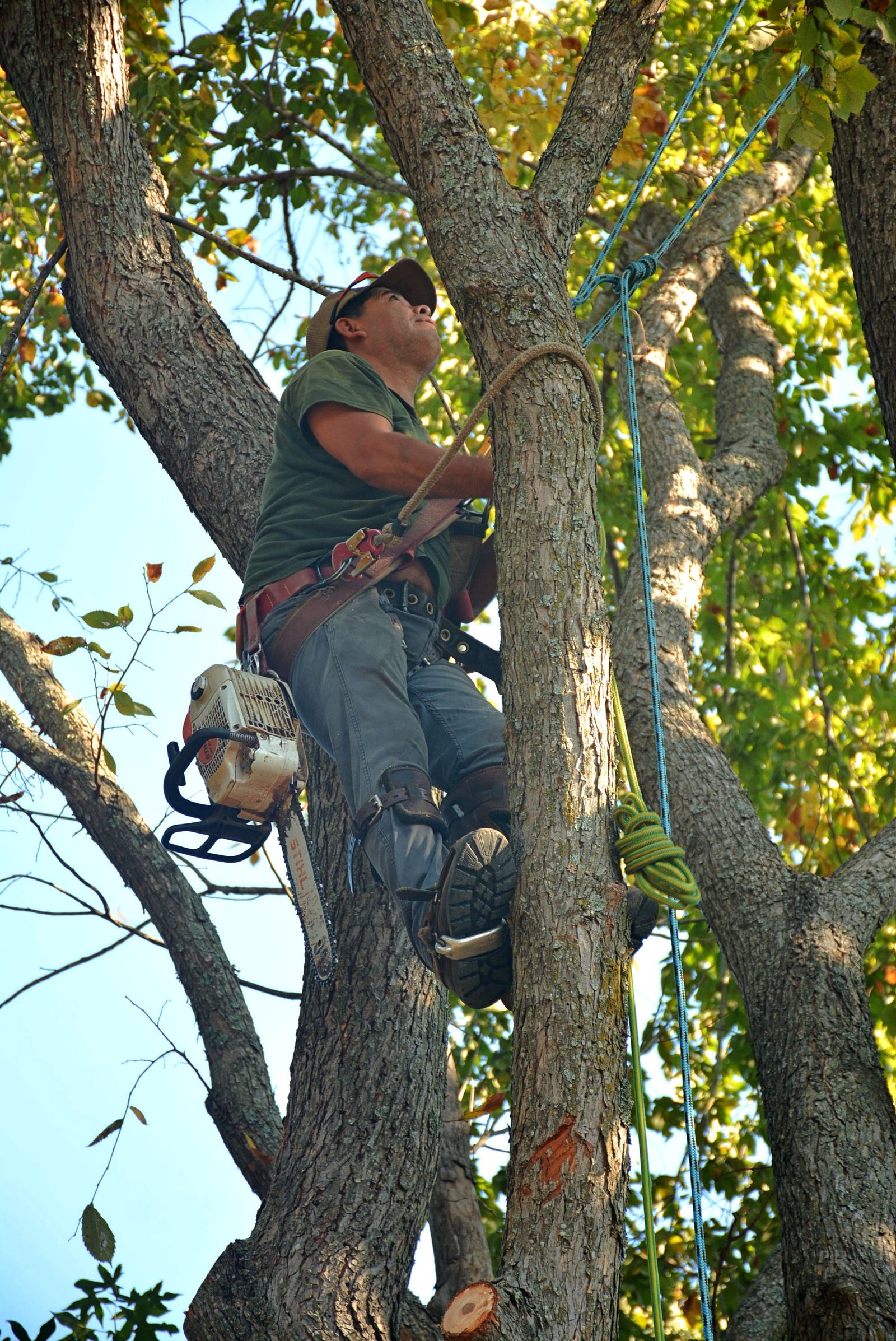
Monitoring versus removal
The decision hinges on structure and trajectory. A tree with a split trunk, a major crack that opens under load, or extensive bark loss around most of the trunk circumference is a removal conversation now, particularly anywhere it can reach a house. A tree with a single bark strip, a sound trunk, and a canopy that holds its leaves through the first season is a monitoring case: support it with water, remove dead wood as it appears, and reassess each spring. Bark loss is a useful gauge; losing a narrow strip is survivable, while losing bark around a large share of the trunk interrupts the tissues the canopy depends on.
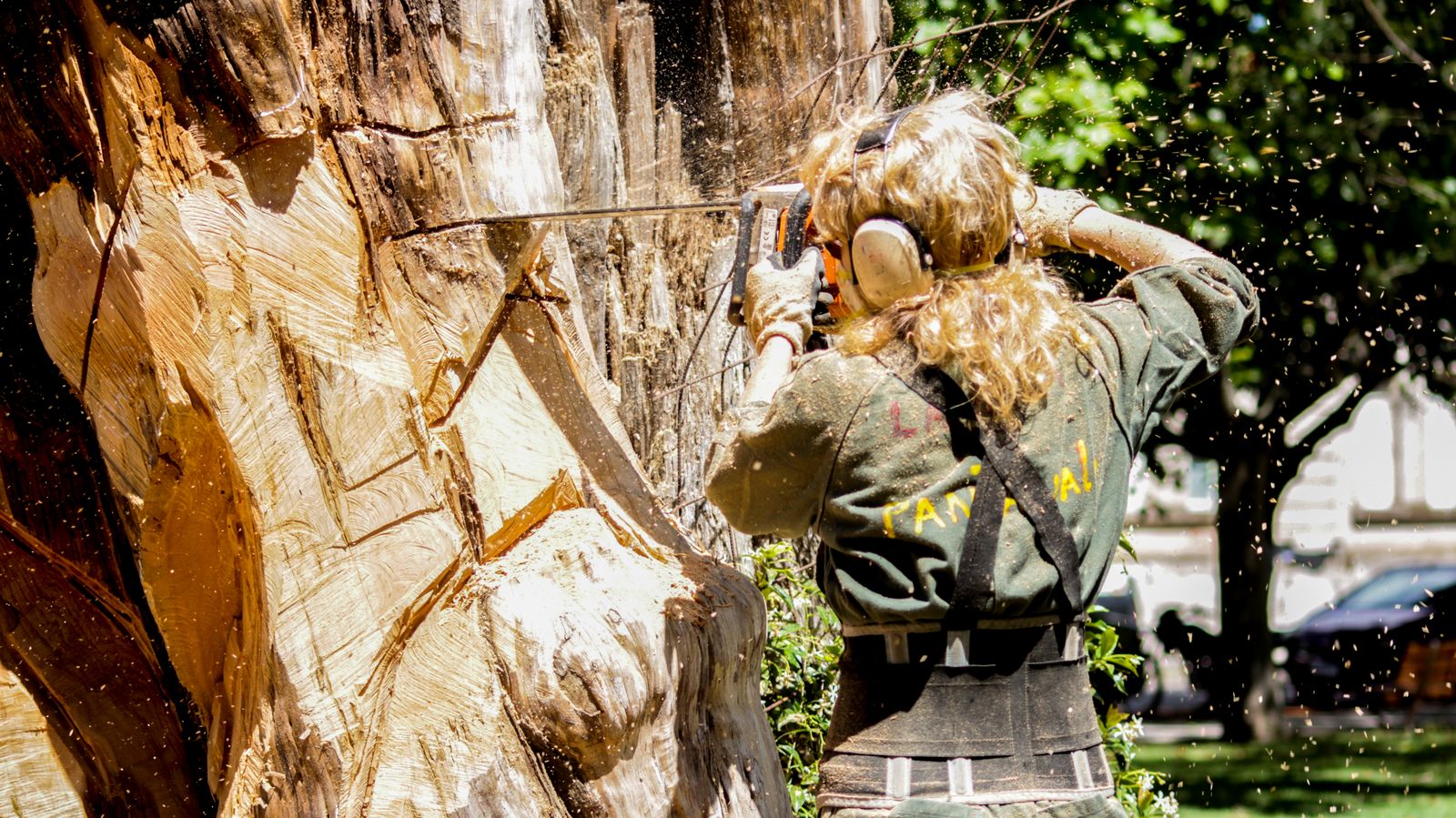
Protecting the rest of the yard, and the house
One struck tree sometimes raises the question of lightning protection for a prized, tall tree near the house. Systems exist, installed by specialists, that give a strike a planned path to ground; they are worth considering for a heritage tree with a target under it, though they are beyond routine tree care. The nearer-term question after any strike is the other trees: a charge can travel through root grafts and soil to neighbors, so watch adjacent trees in the same monitoring pass. And if the strike hit a tree touching the house or a fence line, have the tree checked before assuming the damage stopped at the trunk, a check a service like Pro Beaver Tree Service handles routinely after storms.
Common questions
Will a lightning-struck tree die?
Some do, some recover, and many decline slowly over one to three years. The amount of bark lost, trunk splitting, and root damage decide it, which is why monitoring across seasons matters more than a first-week verdict.
Should I paint or seal the bark wound?
No. Wound paints are not recommended; trees seal damage internally. Clean up torn, loose bark carefully without cutting into healthy tissue, and let the tree compartmentalize the injury.
How soon should a struck tree be inspected?
As soon as it is safe, for hazards; a hanging limb will not wait for a convenient week. The health verdict takes longer, so schedule a follow-up look the next spring even if the tree seems fine.
Photos in this guide are representative stock images.
← All guides from Pro Beaver Tree Service← Back to Pro Beaver Tree Service