Planting a tree sounds like the simplest job in the yard: dig a hole, set the tree, water it. In Waxhaw's red clay, that simplicity is exactly what kills young trees. Clay dug out and dumped back unamended can act like a clay pot underground, holding water in the hole after storms and blocking roots from ever leaving it. Add a hole dug too deep, a tree planted at the wrong height, and a first summer without steady water, and the statistics of young tree survival explain themselves.
This first-timer walkthrough goes step by step, from choosing the spot to the end of the first year. None of the steps are hard. All of them are easier to do in order, before the tree is in the ground, than to fix afterward.
Before the hole: right tree, right place
Start with the mature size, not the nursery size. A tree that will spread forty feet does not belong ten feet from the house, under power lines, or over a septic field. Check overhead and underground utilities before digging; in North Carolina, calling 811 for a free utility locate a few days ahead is the standard, required step, and it covers the lines you cannot see. Then match species to the site you actually have: wet low corner or dry slope, full sun or partial shade, and the clay you already know is there. A tree suited to its spot needs half the rescue work of a tree fighting its spot.
- Pick the spot by mature size. Measure for the adult canopy and root spread, keeping distance from the house, lines, and other trees.
- Call 811 before digging. Have underground utilities marked, and plan the hole clear of every flagged line.
- Dig wide, not deep. Make the hole two to three times the width of the root ball, and only as deep as the ball, so the trunk flare will sit at or slightly above grade.
- Loosen the clay walls. Rough up the sides of the hole so roots can penetrate; a smooth, glazed clay wall acts like a pot.
- Set the tree at the right height. Find the trunk flare, position it visible above the finished soil line, and backfill with the native soil you removed, firming gently.
- Water deeply at planting. Soak the whole root zone to settle soil and remove air pockets, then mulch two to four inches deep, kept off the trunk.
- Water through the first year. Deep watering once or twice a week in dry weather, tapering as roots establish, with extra attention in the first summer.
- Stake only if needed. A stable root ball in a wide hole usually needs no stake; if the site is windy, stake loosely and remove the supports within the first year.
The two mistakes that matter most
Planting too deep is the classic. Nurseries sometimes ship trees with the flare already buried in the container, so measure from the flare, not the soil surface in the pot. A tree set with its flare inches below grade declines slowly for the same reasons a mulch volcano causes: damp bark and roots growing upward in confusion. The second mistake is amending the backfill into a rich pocket. Roots then stay in the easy soil and circle instead of pushing into the surrounding clay, and the hole drains differently from the ground around it. Wide hole, native backfill, firm water: that combination is the boring, proven recipe.
The first year is part of planting
Budget the first year as part of the job, not an afterthought. Young roots occupy only the original ball for months, so that small zone dries fast in a Piedmont summer even when the surrounding soil is fine. A slow, deep soak at the base once or twice a week during dry spells, a maintained mulch ring, and a monthly look at the flare and leaf condition catch nearly everything early. If a new tree fails to leaf out properly in its second spring, that is the moment to call a tree service such as Pro Beaver Tree Service for a diagnosis rather than another season of hoping.
Common questions
When is the best time to plant a tree in Waxhaw?
Fall is ideal in the Piedmont: soil is warm, air is cool, and roots grow through winter before summer heat arrives. Spring planting also works with committed watering through the first summer.
Should I amend red clay with compost in the hole?
Standard guidance is to backfill with mostly native soil in a wide hole, rather than creating a rich pocket that roots refuse to leave. Improving the whole bed area is different, and fine, for shrub plantings.
How much water does a new tree need?
A deep soak once or twice a week in dry weather through the first growing season is the usual target, soaking the entire root ball zone. Adjust for rain; newly planted trees suffer from both drought and constant sogginess in clay.
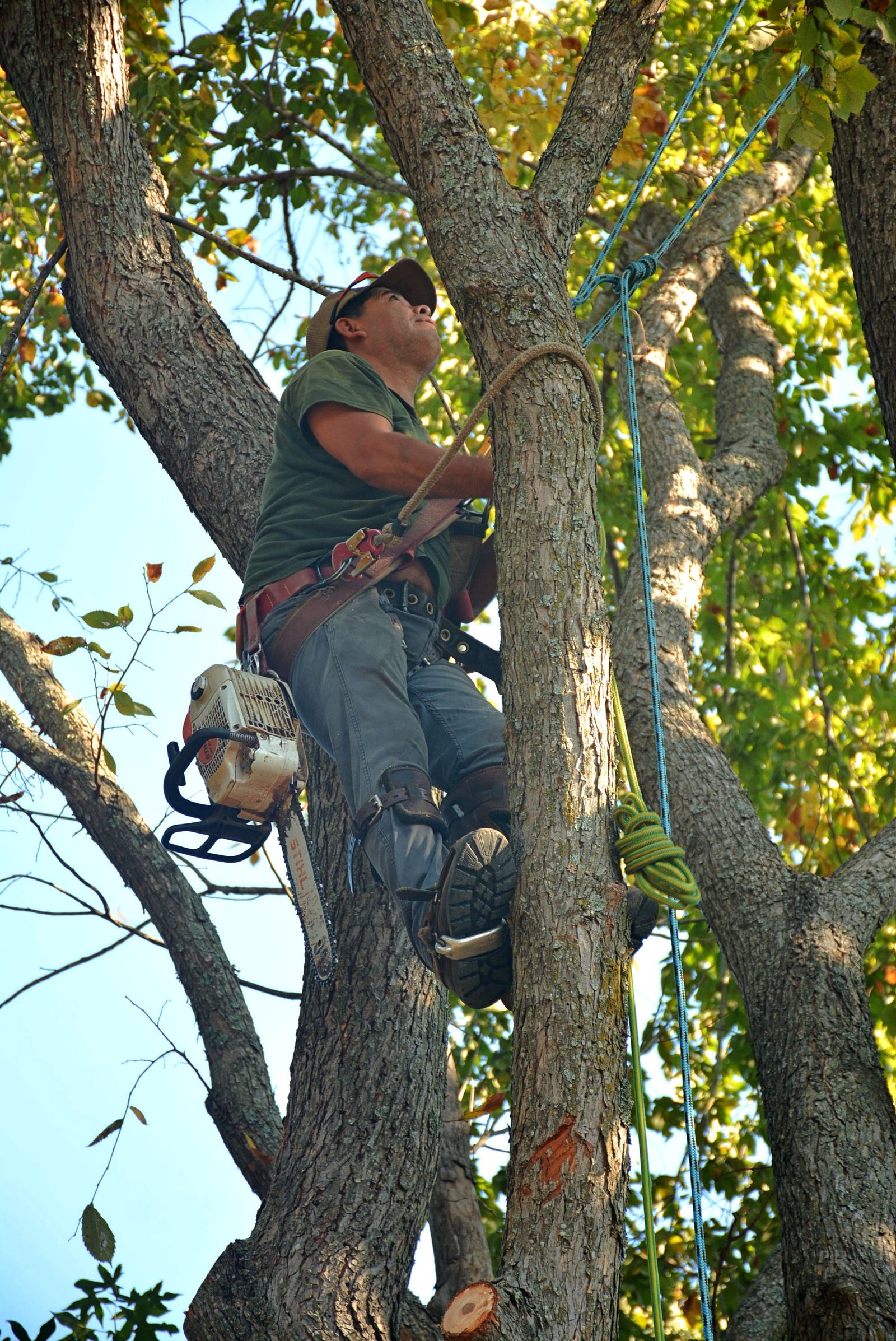
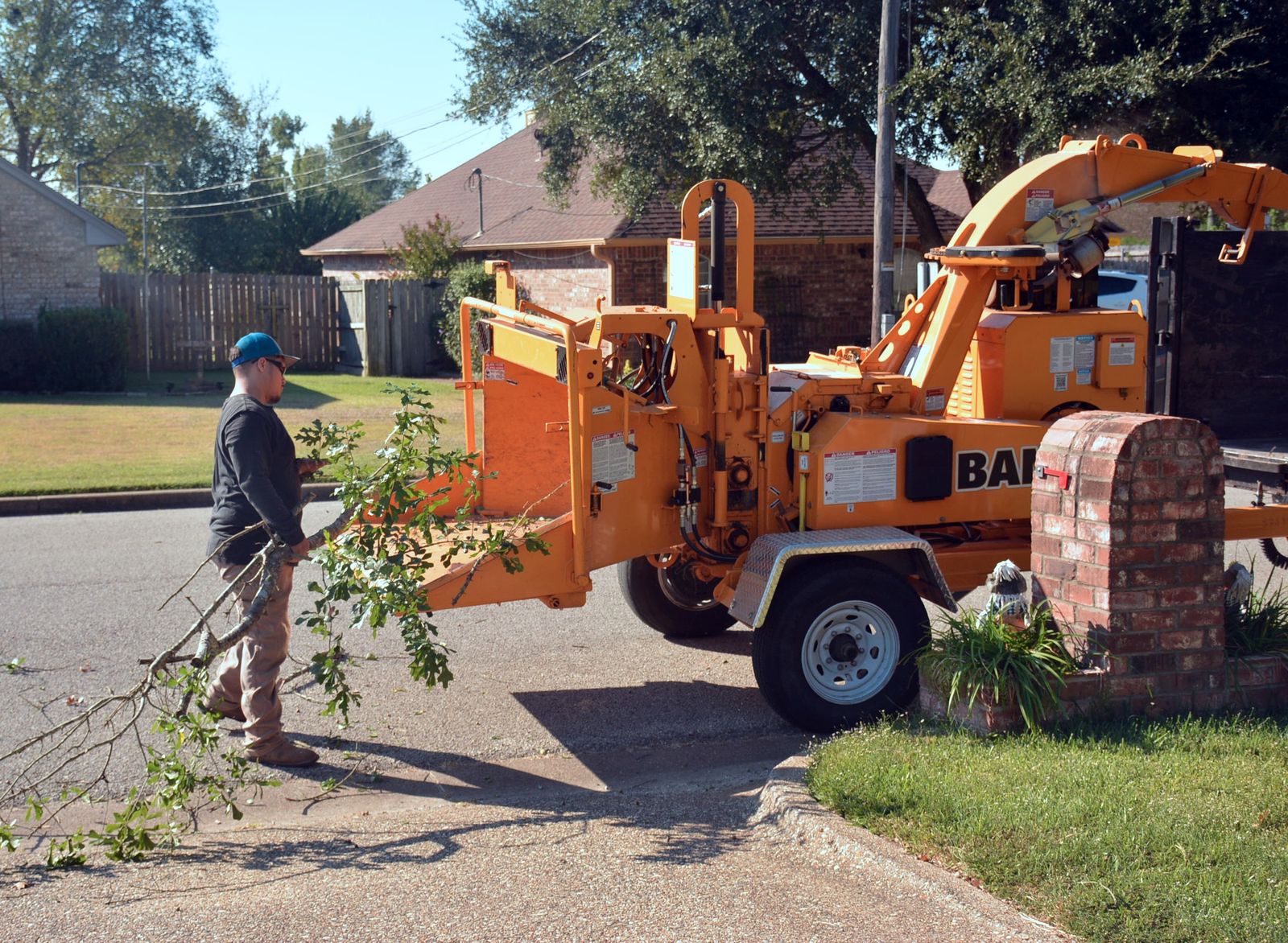
Photos in this guide are representative stock images.
← All guides from Pro Beaver Tree Service← Back to Pro Beaver Tree Service