Pruning at the wrong time rarely kills a tree outright. What it does is quieter: it invites disease through fresh wounds in the season when fungi are most active, it cuts off flower buds a homeowner waited a year to see, or it triggers stress growth a tree in Piedmont heat did not need. In Waxhaw, where oaks, maples, crepe myrtles, and spring bloomers share the same street, the calendar is the main tool for getting pruning right.
The logic underneath the calendar is simple. Trees seal wounds best when they are growing actively or about to, and disease organisms have seasons of their own. Prune when the tree is dormant and the pathogens are quiet, and both sides of that exchange favor the tree. The exceptions, spring bloomers chief among them, are about flowers, not health.
The year, by tree type
| Tree type | Best pruning window | Avoid | Why |
|---|---|---|---|
| Oaks | Mid to late winter, fully dormant | Spring and early summer cuts | Fresh wounds in warm months attract insects that can spread oak wilt; dormant pruning lowers that risk |
| Maples and birches | Mid-summer, or late winter | Early spring, when sap runs heavily | Late-winter cuts bleed sap; harmless but messy, and mid-summer pruning avoids it entirely |
| Spring bloomers (dogwood, redbud, azalea-type shrubs) | Right after flowering ends | Fall and winter pruning | These set next year's buds soon after blooming; late pruning removes the flowers you waited for |
| Crepe myrtles | Late winter, light shaping only | Topping at any time of year | Late winter work precedes spring growth; topping ruins form and triggers weak shoots |
| Pines and evergreens | Late winter for structure; candle work in spring | Cutting back into bare wood | Most conifers cannot regrow from old, needle-free wood, so cuts must stay in green growth |
| Fruit and flowering ornamentals | Late winter for shape; after bloom for flower types | Heavy pruning in fall | Fall cuts can push tender growth that winter cold then damages |
| Dead, damaged, or hazardous limbs | Any time, as soon as noticed | Waiting for the ideal season | A dead limb over a driveway is a safety issue that outranks calendar rules |
The wounds-heal logic
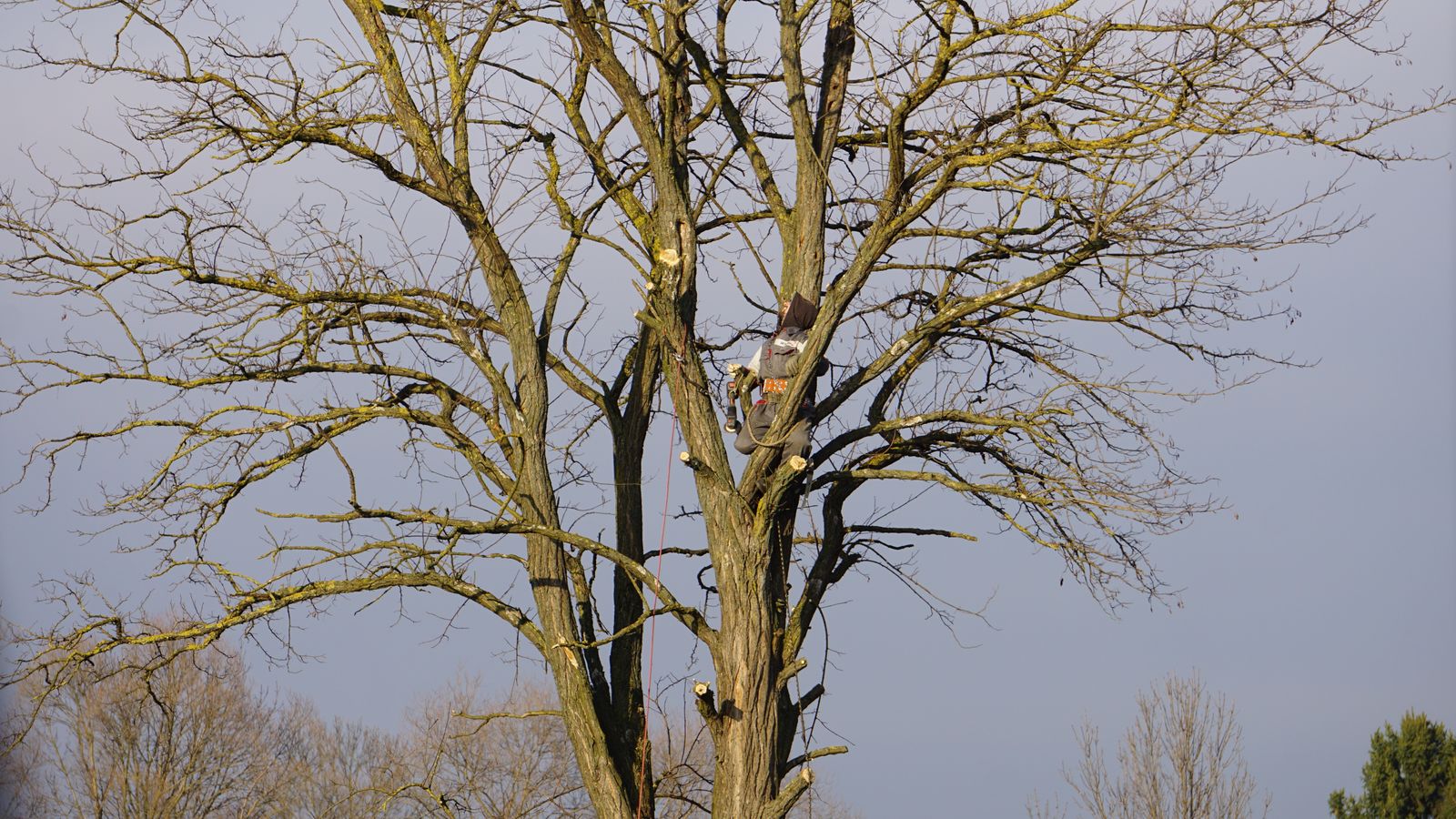
Trees do not heal the way skin does; they seal. After a proper cut at the branch collar, the tree grows a ring of wound wood over the opening across the following seasons, while internal barriers wall off the damaged column. That sealing process runs fastest when growth resumes soon after the cut, which is one reason late-winter pruning works so well in North Carolina: the tree wakes up within weeks and starts closing the wound with spring growth, giving decay organisms the shortest possible window.
It also explains the size rule. Small cuts seal quickly and completely. Very large cuts, removing a major limb from an older tree, may never fully close, and the exposed wood becomes a long-term entry point for decay. When a tree needs several large limbs removed, spacing the work or reconsidering removal altogether is a conversation worth having with an arborist before the saw starts.
Storms and safety ignore the calendar
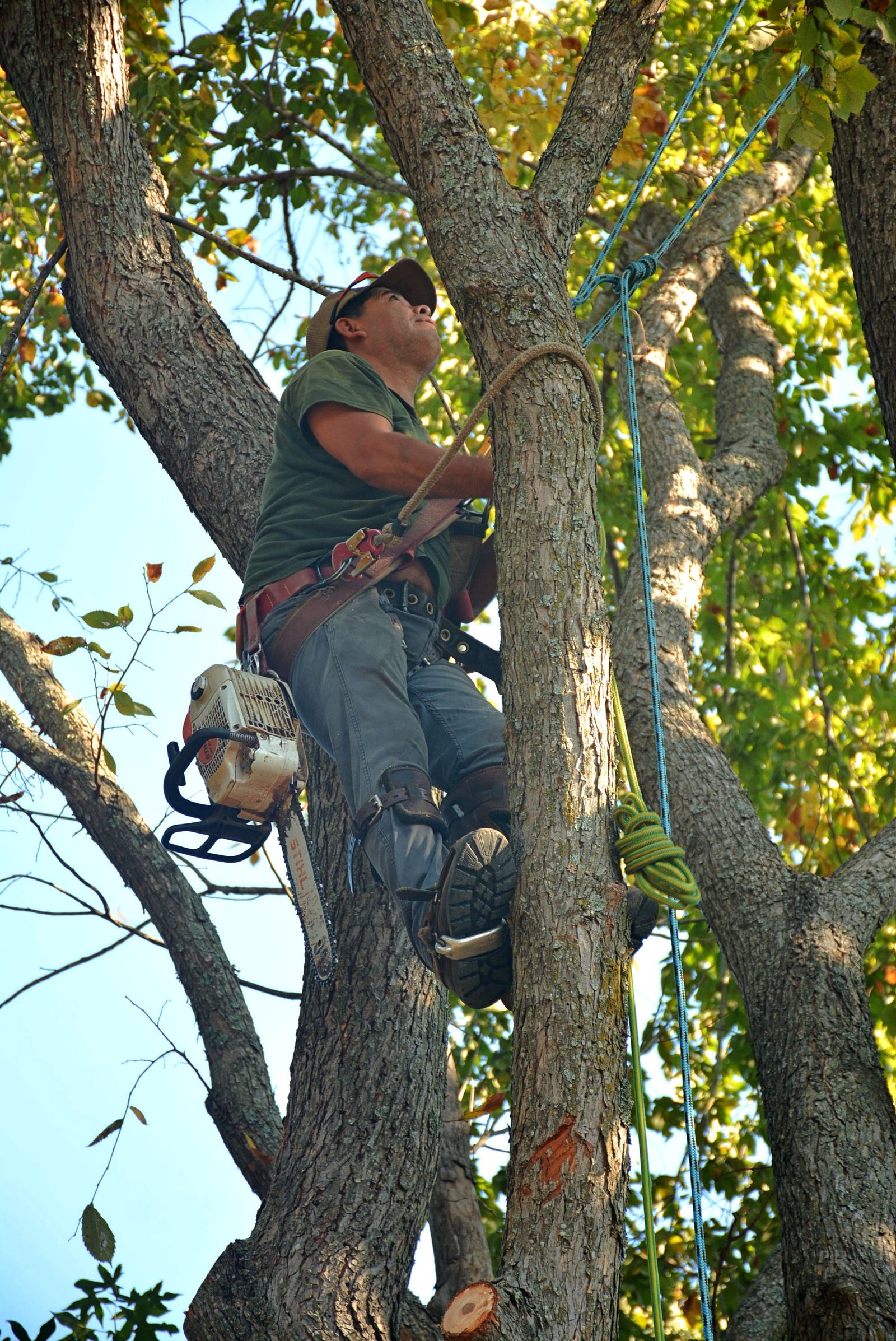
The calendar governs planned work. It does not govern the broken limb hanging over the roof after a summer thunderstorm, the split leader after an ice storm, or the dead oak shedding branches onto the sidewalk. Those get cut when they are found, in any month, because the risk calculation is different. What the calendar still controls in those cases is how much additional live wood gets removed while the crew is up there. A good crew, Pro Beaver Tree Service among them, will fix the hazard in July and leave the optional shaping for winter.
One more calendar note belongs here: newly planted trees get almost no pruning in their first years beyond removing broken or crossing branches. A young tree needs every leaf it has to build roots, so the shaping cuts that help a mature tree will slow a young one down. Save the structural work for year three onward, once the tree is established and growing on its own.
Common questions
What is the single best time to prune most trees in Waxhaw?
Late winter, while trees are dormant and before spring growth starts. Wounds begin sealing quickly as growth resumes, and most disease pressure is at its lowest.
Can I prune a tree in summer if I need to?
Light summer pruning is fine for many trees, and it is the preferred window for maples and birches to avoid sap flow. Avoid heavy summer cuts on oaks, and never top a tree in any season.
I pruned my spring bloomer in winter and got no flowers. What happened?
Spring bloomers set their flower buds the previous season, so winter pruning cut the buds off. Prune those trees right after they finish flowering instead, and the next year's blooms stay intact.
Photos in this guide are representative stock images.
← All guides from Pro Beaver Tree Service← Back to Pro Beaver Tree Service